Feeling stiff in the morning or tight after sitting at work is more common than you think. Joints like the hips, shoulders, knees, and spine depend on movement to stay comfortable. When we sit a lot or repeat the same actions, muscles shorten, soft tissues lose glide, and the body starts to guard. Thai massage is a practical way to restore motion without forcing the body. Through rhythmic pressure, assisted stretches, and gentle joint play, it helps tissues move the way they should. This blog explains how it works, who it helps, and what you can expect in a session. The goal is simple: less stiffness and smoother, easier movement in daily life.
Why Joint Stiffness Affects Daily Movement Patterns
Joint stiffness often begins with small habits. Long hours at a desk, a heavy gym day repeated the same way, or even stress can lead to tense muscles. When muscles stay “on,” joints don’t glide as smoothly, and you feel tight when you reach, squat, or twist. The supporting tissues—muscles, tendons, ligaments, and fascia—adapt to low movement by becoming less springy. Circulation also slows, which can leave joints feeling “rusty” first thing in the morning.
On the technical side, joints are lined with cartilage and bathed in synovial fluid. Motion helps spread that fluid, like oil in a hinge. Without enough motion, fluid distribution drops, and the nervous system responds with more guarding. Over time, you move less because you feel tight, and you feel tight because you move less. Breaking that loop requires safe, repeated motion that the body accepts. That is where Thai massage can fit.
What Makes Thai Massage Different For Mobility
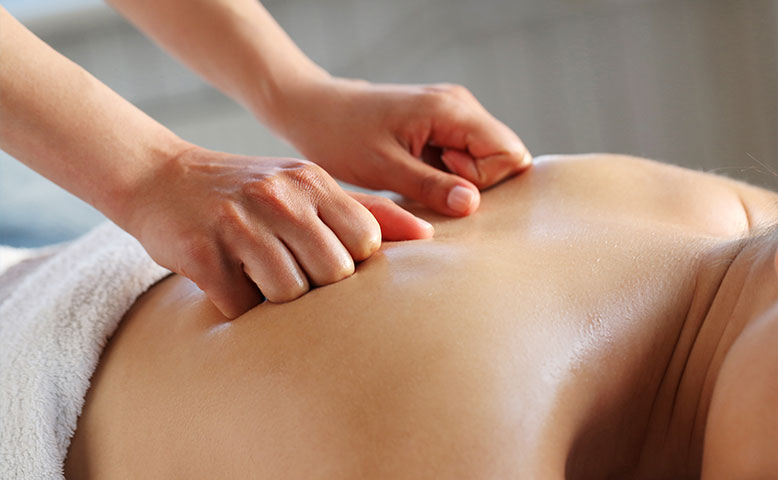
Thai massage is done on a cushioned mat, usually with comfortable clothing on. Instead of only pressing into a sore spot, the practitioner uses hands, forearms, knees, and feet to apply rocking pressure, broad compression, and guided stretches. Many techniques move the whole limb or the whole spine in a slow rhythm, which tells the body it is safe to let go.
From a technical angle, the approach uses three helpful elements:
- Rhythmic compression to warm the tissues and invite circulation.
- Assisted stretching to lengthen muscles through a larger, but controlled, arc.
- Joint mobilization—small, gentle movements that help the joint surfaces glide.
These methods stimulate receptors in muscles and tendons that dial down excess tone. When the body senses steady pressure, it often reduces guarding, which frees the joint to move better. Because many moves involve the whole body, you feel coordinated change, not just a quick fix on one spot.
Gentle Joint Mobilization Reduces Stiffness In Stages Safely
Joint mobilization in Thai massage is subtle. Think of small, slow circles of the shoulder, or careful traction at the wrist, ankle, or hip. These movements help the joint surfaces roll and slide against each other. On the science side, this helps spread synovial fluid and can improve what therapists call “joint play,” the tiny motions that make bigger motions possible.
These techniques are done in stages: light movement first, then a little more range, always within comfort. This graded approach cues the nervous system to relax protective muscles. You may notice that a stiff shoulder lifts higher after a series of small circles and gentle traction—even before any deep stretching. For people with desk-related tightness or a history of minor sprains, this style is useful because it doesn’t push through discomfort. Instead, it invites the joint to move the way it was designed. Over several sessions, those gains add up and carry into daily tasks like putting on a coat or reaching into a cupboard.
Assisted Stretching Improves Range Without Overstraining Tissues
Assisted stretches are a hallmark of Thai massage. The practitioner supports your limb and guides it through a wider arc than you might do on your own, while you stay relaxed. Because you are not bracing, the muscles lengthen with less resistance. This is different from forcing a stretch; it is more like being moved through range while breathing steadily.
A few useful details: muscle spindles (tiny sensors) resist quick, sharp stretching. Slow, steady movement with a pause allows them to reset. Golgi tendon organs, another set of sensors, respond to sustained pressure by lowering excess muscle tone. Together, these responses help the body accept a wider range.
Practical benefits you may feel:
- Longer hamstrings for easier bending and walking.
- Looser hip flexors help your lower back feel calmer.
- Better shoulder reach for dressing, lifting, and sports.
- More rotation through the mid-back for comfortable turning.
The focus stays on comfort and control, so gains arrive without soreness the next day.
Fascial Release And Compression Support Better Glide
Fascia is the web of connective tissue that surrounds and links muscles. When it sticks or gets “gummy,” tissues don’t slide well, and movement feels tight. Thai massage uses broad compression, rocking, and skin-stretch techniques that help this web glide again. As heat and blood flow increase, fascia behaves more like a smooth, well-lubricated layer.
Here’s how it helps with stiffness:
- Broad compression reduces local sensitivity and invites circulation.
- Shearing contacts (gentle skin stretch) encourages layers to unstick.
- Rhythmic rocking coordinates movement across several joints at once.
Some practices also pair Thai techniques with cupping to lift tissue and create space. That decompression can ease “stuck” spots without heavy pressure. Juthamas French RMT – Thai Massage offers RMT + THAI MASSAGE and RMT + Dynamic cupping. This combination supports both glide and comfort, which means joints can move with less friction during everyday tasks like climbing stairs or reaching across the car seat.
Nervous System Downshifts, Guarding For Freer Movement
Tight muscles are not only a tissue issue; they are often a signal issue. When the body feels safe, it reduces protective tone. Thai massage encourages this by combining steady pressure, slow rhythm, and breath coaching. Long exhalations nudge the parasympathetic system—the “rest and digest” side—to take the lead. As that happens, shoulders drop, jaws unclench, and the spine moves more easily.
What you may notice during or after a session:
- A warmer, lighter feel in stubborn areas like the hips.
- Easier posture with less effort from the lower back.
- Smoother neck rotation when checking your blind spot.
- Deeper breathing that pairs well with stretching at home.
From a technical angle, slow, repeated inputs modulate nociceptive signaling (the body’s “danger” messages). When those signals quiet down, the same stretch that felt tight five minutes ago often feels comfortable. This change is one reason results can last beyond the session—especially when followed by simple home moves.
Closing Thoughts
Thai massage improves glide, relaxes guarding, and guides safe range, which helps joints feel free once more. When done carefully, it can teach the body how to move more smoothly and relieve stiffness in the neck, shoulders, hips, and back. This method is worth trying if you want daily chores like walking, carrying groceries, and turning to monitor traffic to seem simpler. Sessions at Juthamas French RMT-Thai Massage concentrate on functional movement to make improvements that extend beyond the mat. Make an appointment with Juthamas French RMT-Thai Massage right now to start moving more easily and comfortably.